

Sports Medicine & Regenerative Care
Explore a Regenerative
Approach to
Musculoskeletal Pain and Injury
Explore a personalized, non-surgical treatment approach for selected tendon disorders, joint conditions and sports-related injuries, guided by fellowship-trained sports medicine expertise.
Adult Musculoskeletal Care • Columbus, Ohio
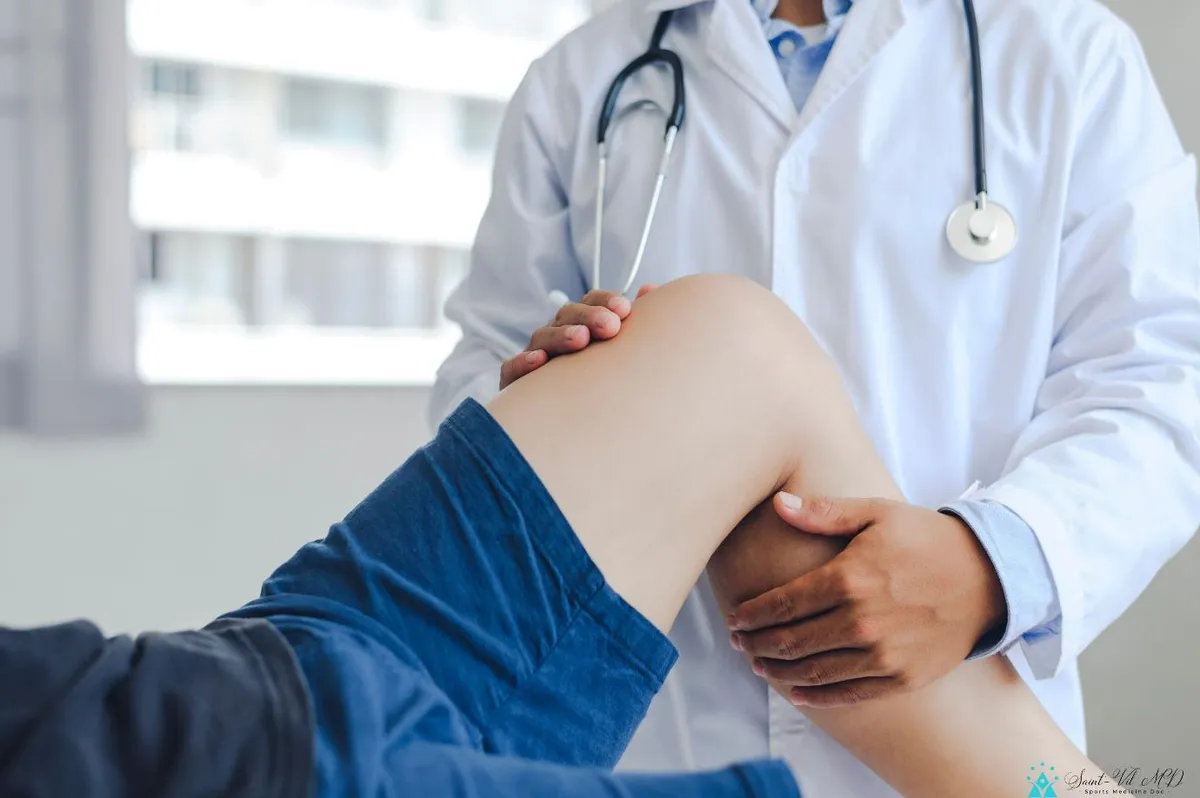


Could PRP Be an Option for Your Condition?
PRP may be considered for selected musculoskeletal conditions following an appropriate clinical evaluation.
Tendon Disorders
Certain tendon conditions may be evaluated to determine whether PRP could be an appropriate treatment option.
Selected Ligament Injuries
Some ligament injuries may warrant an individualized evaluation of available treatment options.
Osteoarthritis
An evaluation can help determine whether PRP may be considered as part of an individualized care plan.
Sports-Related Injuries
Selected sports-related musculoskeletal injuries may be evaluated to determine appropriate treatment options.
Other Appropriate Conditions
PRP candidacy depends on the diagnosis, clinical findings, and individual treatment considerations.
Chronic Tendon Pain
Persistent tendon symptoms may require assessment of the underlying condition and treatment needs
Joint Pain
Joint symptoms can have different causes and should be assessed before selecting a treatment
Overuse Injuries
Repetitive activity can contribute to musculoskeletal symptoms that may benefit from clinical evaluation.
Ligament and Soft Tissue Concerns
A clinician can assess the affected tissue and discuss suitable treatment approaches.
Could PRP Be an Option for Your Condition?
PRP may be considered for selected musculoskeletal conditions following an appropriate clinical evaluation.
Selected Tendon Disorders
Certain tendon conditions may be evaluated to determine whether PRP could be an appropriate treatment option.
Selected Ligament Injuries
Some ligament injuries may warrant an individualized evaluation of available treatment options.
Osteoarthritis
An evaluation can help determine whether PRP may be considered as part of an individualized care plan.
Sports-Related Injuries
Irritation or injury to tendons from repetitive use or sudden strain.
Chronic Tendon Pain
Persistent tendon symptoms may require assessment of the underlying condition and treatment needs
Joint Pain
Joint symptoms can have different causes and should be assessed before selecting a treatment
Overuse Injuries
Repetitive activity can contribute to musculoskeletal symptoms that may benefit from clinical evaluation.
Ligament and Soft Tissue Concerns
A clinician can assess the affected tissue and discuss suitable treatment approaches.
Other Musculoskeletal Conditions
PRP candidacy depends on the diagnosis, clinical findings, and individual treatment considerations.
Understanding Platelet-Rich Plasma (PRP)
Learn how PRP is prepared and how it may fit into an individualized musculoskeletal treatment plan.
Uses Your Own Blood
PRP begins with a blood sample collected from the patient for processing.
Platelet Concentration
The blood sample is processed to prepare a concentrated platelet-rich portion for potential treatment.
Targeted Application
When clinically appropriate, the prepared PRP is injected into the targeted area.
Individualized Treatment Planning
The clinician considers the diagnosis, medical history, treatment goals, and other relevant factors when determining whether PRP is appropriate.
PRP is not appropriate for every patient or condition. Potential benefits, limitations, alternatives,
and risks should be discussed during your consultation.
Request Your PRP Consultation
Your Treatment Plan Starts With the Right Evaluation
PRP is not appropriate for every patient or every condition. A clinical evaluation helps determine the cause of your symptoms and whether PRP may be a reasonable option to discuss.
Considerations include your diagnosis, symptoms, medical history, previous treatments, activity goals, and other relevant clinical findings.
Clinical Assessment
Review your symptoms, medical history, and relevant examination findings.
Individualized Candidacy
Discuss whether PRP is appropriate for your specific condition and circumstances.
Treatment Alternatives
Review appropriate treatment options, including non-surgical approaches when indicated.
Rehabilitation Planning
Discuss activity modification, exercise, rehabilitation, and follow-up as appropriate.
Your Care. Your Goals.
Sports Medicine Expertise With a Personalized Approach
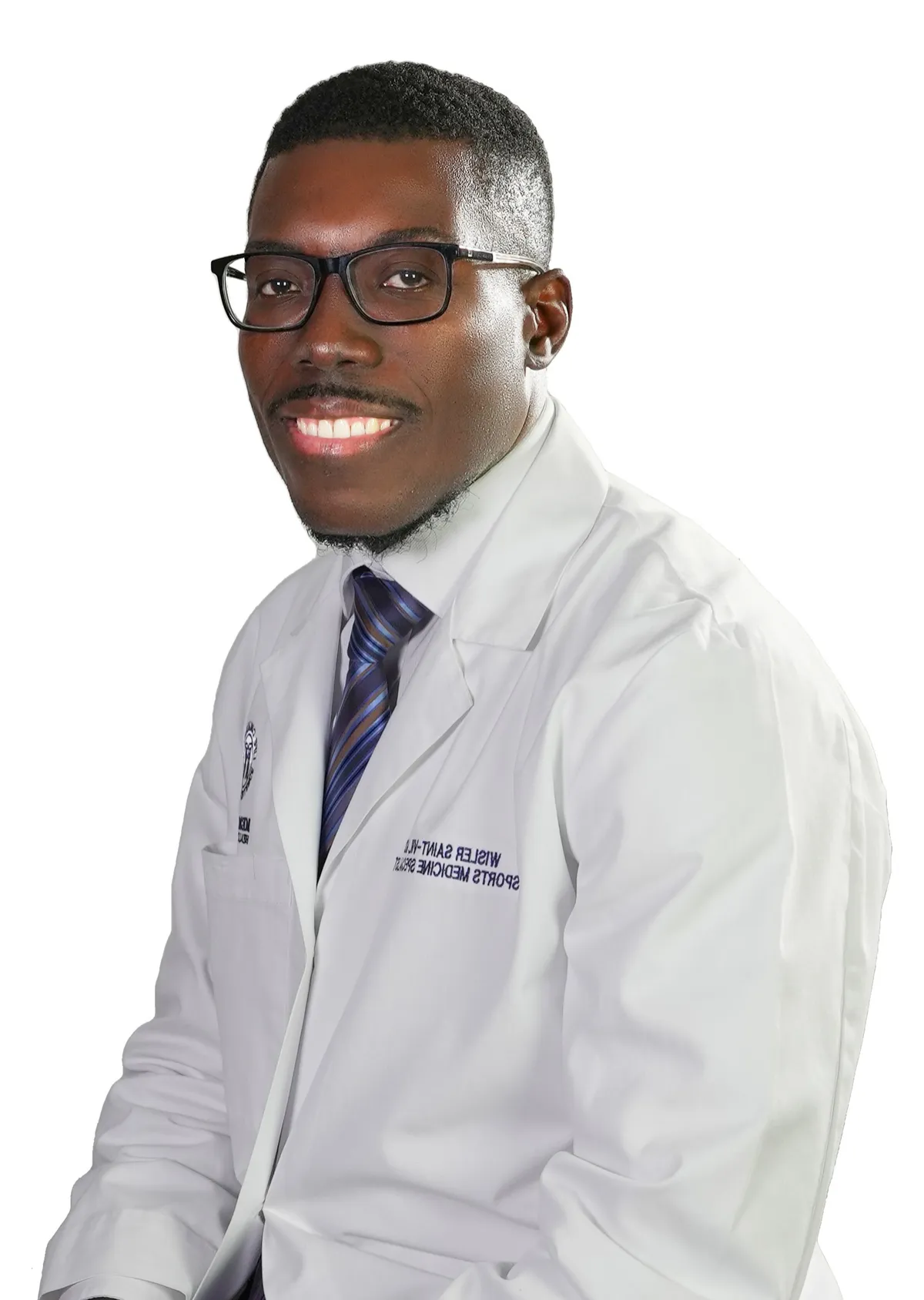
Wisler Saint-Vil, MD, MBA
Fellowship-Trained Sports Medicine Physician
ExerciseNow Health provides sports medicine and musculoskeletal care focused on understanding your condition, discussing appropriate options,
and developing an individualized treatment plan.
Sports Medicine Experience
Care informed by sports medicine and musculoskeletal evaluation.
Individualized Care
Treatment discussions are guided by your condition, clinical findings, and personal activity goals.
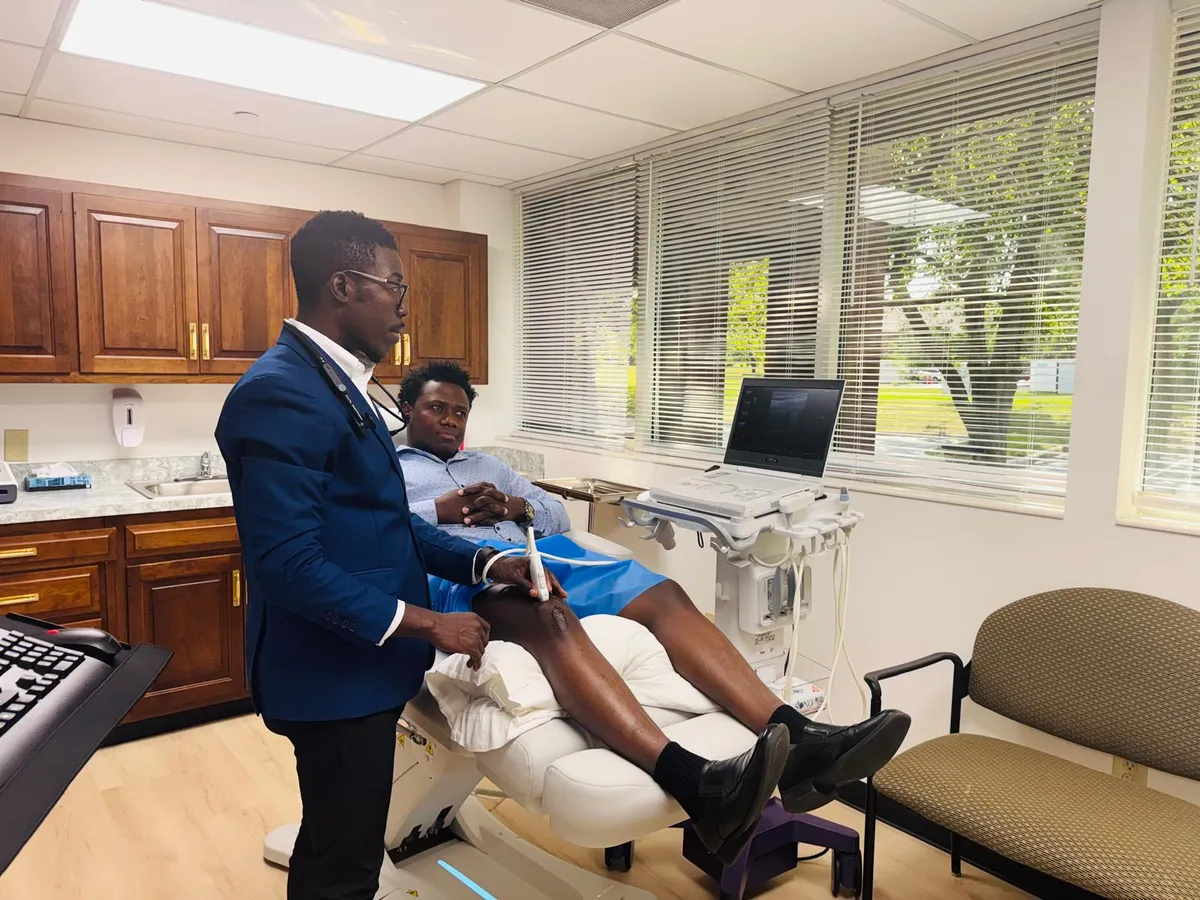
Ultrasound Guidance When Appropriate
Ultrasound guidance may be used when clinically appropriate to assist with targeted procedures.
Transparent Treatment Discussions
Discuss the potential benefits, limitations, risks, alternatives, and expected next steps before proceeding.
Every treatment plan begins with an evaluation. PRP is discussed only when it may be appropriate for the individual patient's condition.
What to Expect During the
PRP Process
Your care plan depends on your evaluation and whether PRP is considered appropriate.
1
Evaluation
Discuss your symptoms, medical history, activity goals, and clinical findings with the care team.
2
Candidacy Determination
Determine whether PRP may be an appropriate option and review alternatives.
3
PRP Preparation
If treatment is appropriate, a blood sample is collected
and processed to concentrate platelets.
4
Injection When Appropriate
The prepared PRP is administered to the targeted area when clinically indicated. Image guidance may be used when appropriate.
5
Recovery and Follow-Up
Review post-procedure instructions, activity recommendations, rehabilitation, and follow-up based on your condition and treatment plan.
Your treatment sequence, procedure details, and recovery recommendations may vary based on
your condition and clinical plan.
Request Your PRP Consultation
Find Out If PRP May Be Appropriate for You
Request an evaluation to discuss your musculoskeletal symptoms, learn about PRP, and explore treatment options based on your individual needs.
Phone
(614) 612-0230
Location
4830 Knightsbridge Blvd, Suite K
Columbus, Ohio 43214
Frequently Asked Questions About PRP
Answers to common questions about platelet-rich plasma and musculoskeletal care.
Does PRP use my own blood?
Yes, PRP is prepared from a processed sample of your blood.
How long does the procedure take?
Duration varies by preparation and treatment site; discuss expected appointment length during consultation.
Do I need a referral?
No referral is required to schedule an evaluation. However, certain insurance plans may have referral or authorization requirements for coverage.
Is PRP covered by insurance?
PRP for musculoskeletal conditions is frequently not covered; payment may be out of pocket. Confirm coverage and cost before treatment.
How many PRP treatments might I need?
Depends on diagnosis, treatment plan and response; no universal number.
What is recovery like after PRP?
Temporary soreness is possible; activity and rehabilitation instructions depend on site and condition.
Is PRP appropriate for every patient?
No. Review indications, evidence, risks, limitations and alternatives during evaluation.
Is ultrasound guidance used for PRP injections?
May be used when clinically appropriate.
Find Out If PRP May Be Appropriate for You
Schedule an evaluation with ExerciseNow Health to discuss your condition,
understand your options, and determine the next steps for your care.
📍 4830 Knightsbridge Blvd, Suite K, Columbus, OH 43214
© 2026 ExerciseNow Health. All rights reserved.